What is a Residential Proxy? The Ultimate Guide for 2026
Understand exactly how residential proxies work, why they prevent scraping bans, and how to choose the right provider. Featuring comparisons with datacenter IPs.
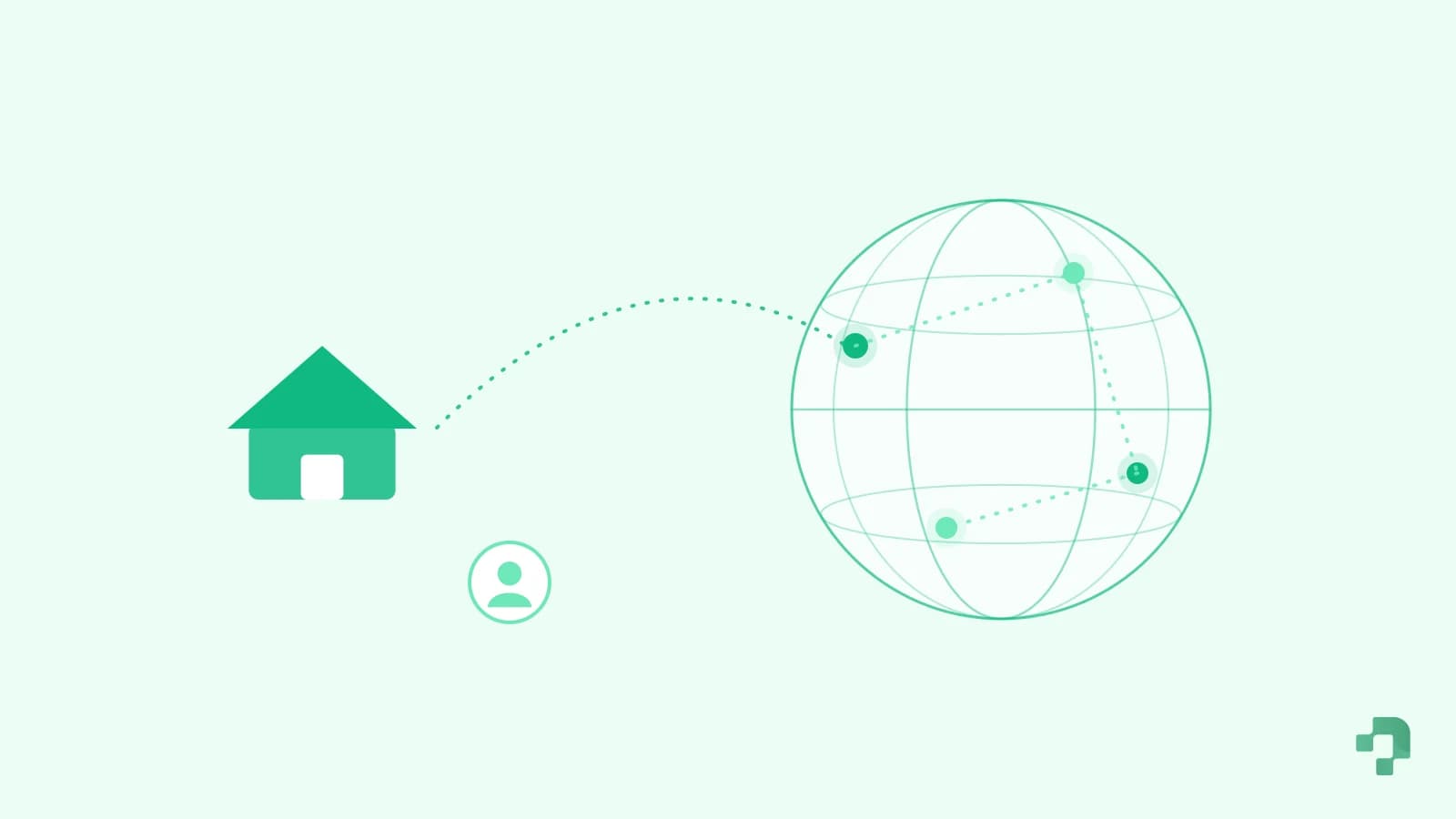
A Residential Proxy is an intermediary server that routes your internet traffic through an IP address assigned by an Internet Service Provider (ISP) to a real physical location, such as a home.
Unlike datacenter IPs which are easily identified as server farms, residential proxies make your scraping bot or automation tool appear exactly like a genuine human user browsing from a laptop in New York, London, or Berlin. This makes them the gold standard for avoiding IP bans and CAPTCHAs.
Quick Tip: If your scraper is getting blocked repeatedly with 403 errors, switching to residential proxies is usually the instant fix.
How Do Residential Proxies Work?
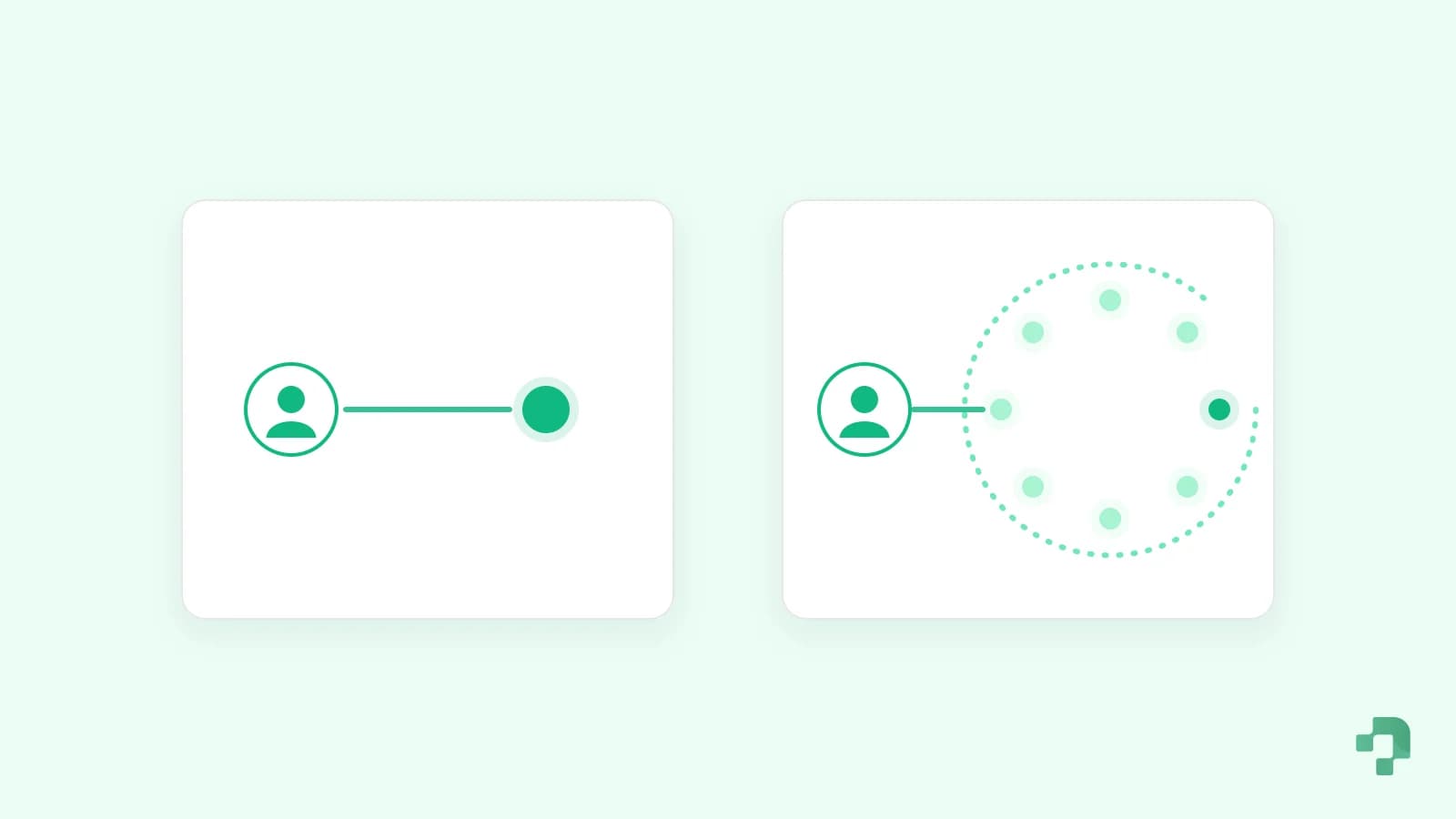
When you send a request through a service like Proxio, the following happens instantly:
- Your Request: You send a request to scrape
example.com. - The Masking: Instead of going directly, the request hits Proxio's gateway.
- The Assignment: We assign a genuine IP address (e.g., from a Verizon Fios connection in Texas) to your request.
- The Result: The target website sees a request coming from a residential house in Texas, not a server. It serves the data without suspicion.
Key Benefits of Using Residential IPs
- High Anonymity: Virtually impossible to distinguish from organic traffic.
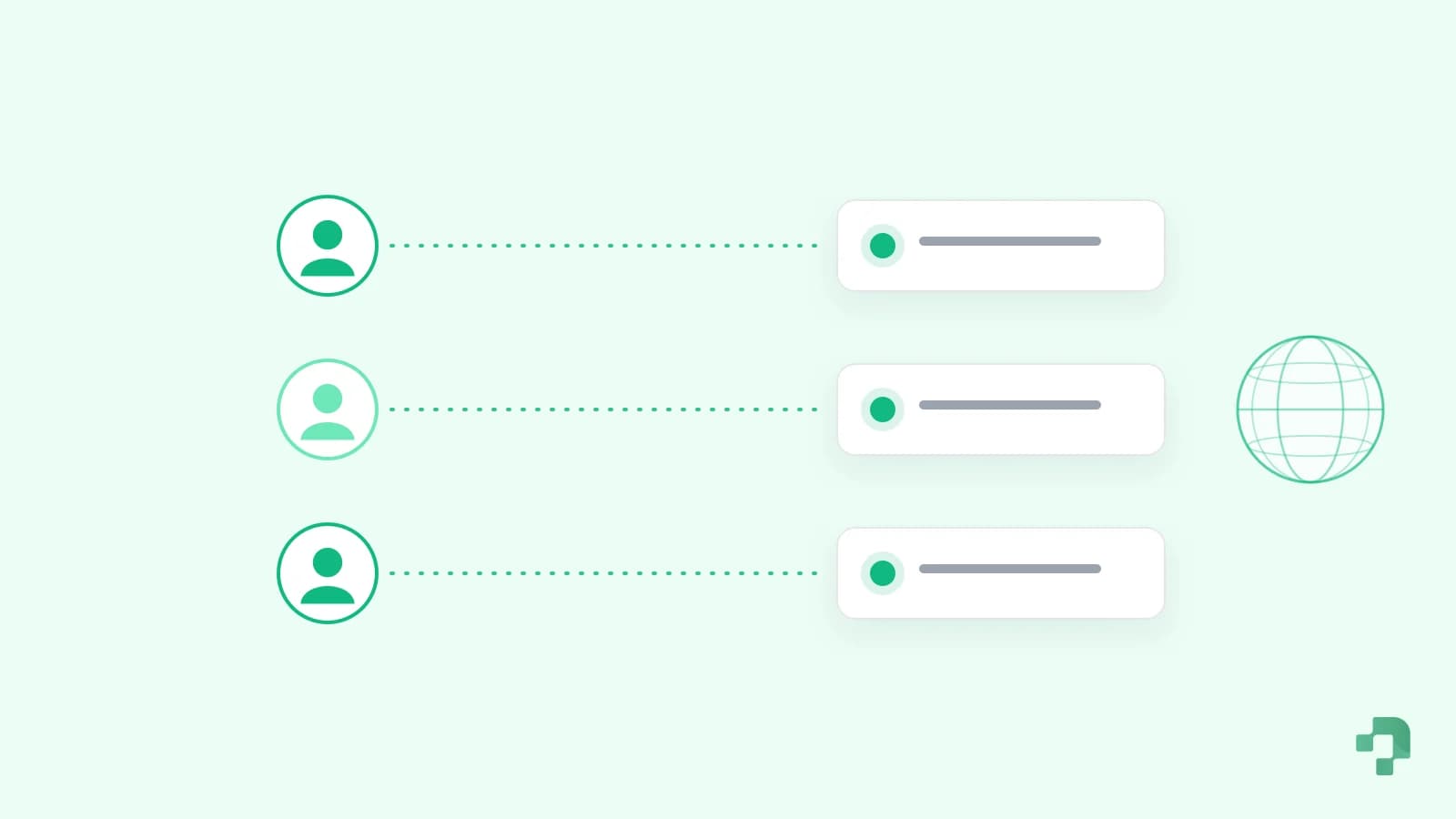
- Geo-Targeting: Scrape localized data (prices in Tokyo vs. New York) by choosing specific cities.
- Concurrent Sessions: Run thousands of requests simultaneously without triggering anti-bot alarms.
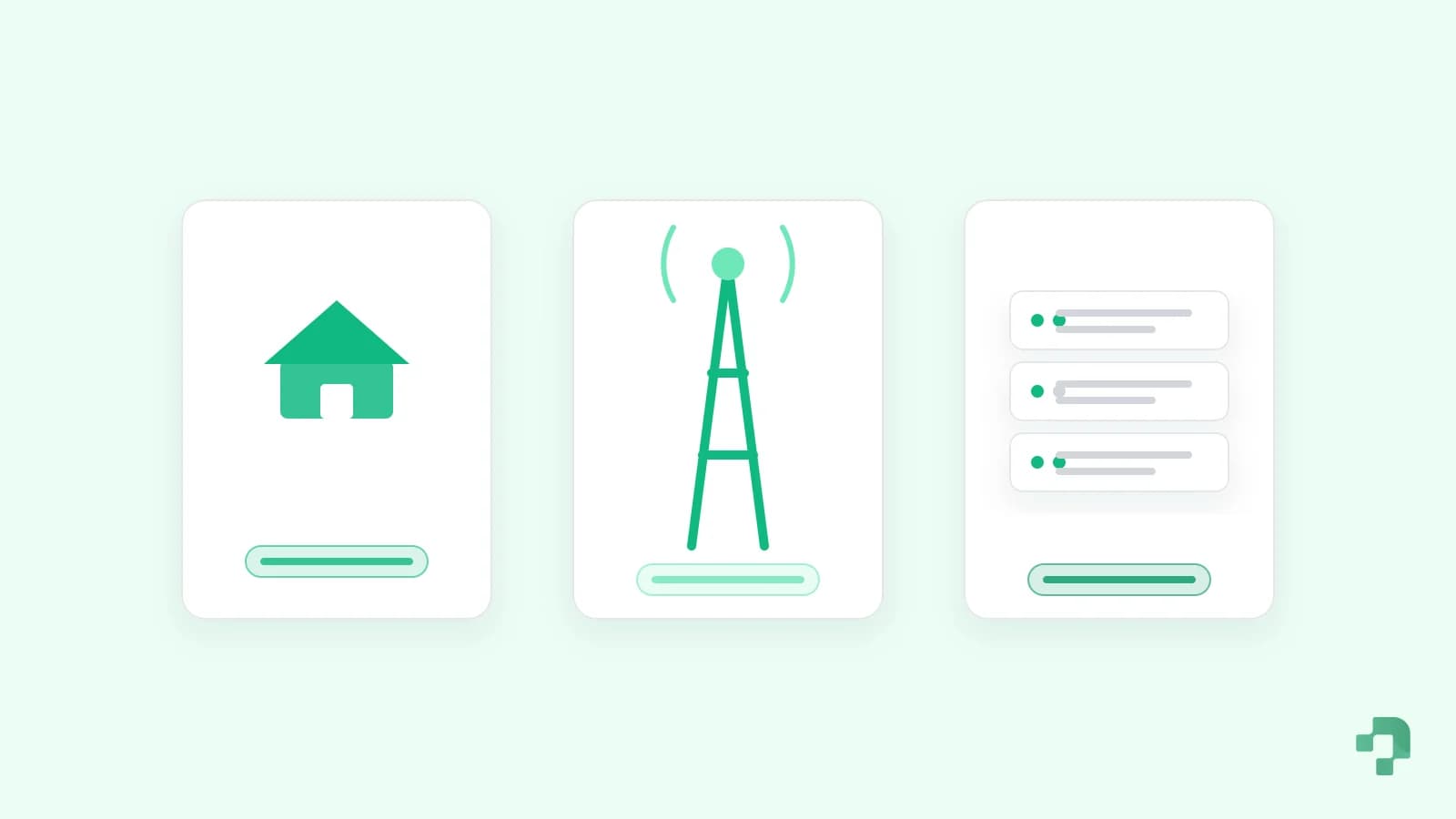
Residential Proxies vs. Datacenter Proxies: Which One Do You Need?
This is the most common question we get at Proxio. Here is the honest breakdown:
| Feature | Residential Proxy | Datacenter Proxy |
|---|---|---|
| Source | Real ISPs (Comcast, Vodafone, etc.) | Cloud Servers (AWS, DigitalOcean) |
| Trust Score | Very High (Hard to block) | Low (Easily detected) |
| Speed | Moderate (Dependent on home network) | Blazing Fast |
| Cost | Premium (per GB) | Cheaper (Proxio: flat-rate unlimited bandwidth) |
| Best For | Scraping Amazon, Google, Social Media | Basic API scraping, high-volume crawling |
The Verdict: If you are scraping protected sites like LinkedIn, Instagram, or sneaker sites, datacenter proxies will likely fail; you need the authority of residential IPs. For everything else, flat-rate datacenter proxies give you unlimited volume at a fixed price. There's also a third option, static ISP proxies, covered in our full three-way comparison.
🚀 Ready to stop getting blocked? Try Proxio's Residential Network today. We offer an ethical, high-speed pool of IPs that scale with your business. New customers get 10% off their first order, applied automatically at checkout. [View Pricing & Get Started]
Common Use Cases for Residential Proxies
Why are businesses moving to residential networks in 2026?
1. E-Commerce and Price Monitoring
Competitors change prices dynamically. To track them without being fed false data (cloaking), you need to look like a real customer from a specific region. See how teams use proxies for e-commerce data collection and price monitoring.
2. Ad Verification
Marketing agencies use residential proxies to check if their ads are displaying correctly in different countries and to detect ad fraud, ensuring their budget isn't wasted on bot farms. More in our ad verification guide.
3. SEO Monitoring
Google Search results vary by location. SEO tools use residential proxies to check SERP rankings accurately from specific cities; the full workflow is in our rank tracking guide.
4. Social Media Management
Managing multiple accounts on Instagram or TikTok from a single IP is a red flag. Proxies give each account a unique, trusted digital fingerprint, though for logged-in accounts, static ISP proxies are usually the better fit, as explained in what are social media proxies.
Are Residential Proxies Legal?
Yes, using residential proxies is legal in most jurisdictions for legitimate business purposes like data aggregation, testing, and market research. However, how the IPs are sourced matters.
At Proxio, we prioritize ethical sourcing. We ensure our network is built on transparency and compliance, protecting both our users and the end-points. Always ensure you are complying with the Terms of Service of the target websites.
Why Choose Proxio.net?
Proxio focuses on developer-centric performance.
- Reliable Infrastructure: Our service infrastructure ensures consistent access and automatic IP rotation, so your scrapers never get stuck.
- Easy Integration: Compatible with Puppeteer, Selenium, Playwright, and standard cURL.
- Pay-As-You-Go: No massive monthly commitments. Scale as you grow, with volume discounts on residential data.
How to Start in 3 Steps:
- Sign up at Proxio.net and create an order for residential proxies.
- Receive your username and password credentials, then select your target location (country, region, state, or city).
- Paste the proxy string into your code.
# Example: Using Proxio with Python Requests

PROXY_HOST = "geo.proxio.cc"
PROXY_PORT = "16666"
PROXY_USER = "your_username"
PROXY_PASS = "your_password"

# Example: Targeting US, New York with a Sticky Session for 10 minutes
# Format: user-region-XX-city-YY-sessid-ZZZZ-sesstime-MM
username_with_params = f"{PROXY_USER}-region-us-city-newyork-sessid-myproject1-sesstime-10"

proxy_url = f"http://{username_with_params}:{PROXY_PASS}@{PROXY_HOST}:{PROXY_PORT}"

proxies = {
  "http": proxy_url,
  "https": proxy_url,
}

requests.get("https://target-site.com", proxies=proxies)
Final Thoughts
If your business relies on web data, getting blocked is not an option. Residential proxies are the insurance policy for your data pipeline. They provide the legitimacy needed to access the open web freely.
Don't let IP bans slow down your growth. Explore Proxio's Residential Plans Today →
FAQ
Frequently Asked Questions
Short answers to the questions readers ask most.
What is a residential proxy?
A residential proxy is an intermediary server that routes your internet traffic through an IP address assigned by an Internet Service Provider (ISP) to a real physical location, such as a home. Websites see your request as coming from an ordinary person's connection rather than a server, which is why residential proxies avoid the blocks that datacenter IPs trigger.
Are residential proxies legal?
Yes. Using residential proxies is legal in most jurisdictions for legitimate business purposes like data aggregation, testing, and market research. What matters is how the IPs are sourced (consent-based networks vs. botnets) and whether your use complies with applicable laws and the target site's terms.
What is the difference between residential and datacenter proxies?
Residential proxies use IPs assigned by consumer ISPs to real homes, so they are very hard to detect but cost more and vary in speed. Datacenter proxies come from cloud servers; they are much faster and cheaper, but protected websites identify and block them easily.
Why is my scraper still getting blocked on residential proxies?
IP quality solves the network layer, but anti-bot systems also check TLS fingerprints, header consistency, and behavior. If you still see 403s on residential IPs, align your headers with the IP's location, slow your request pattern, and use a browser-grade TLS fingerprint.
How much do residential proxies cost?
Residential proxies are billed per gigabyte of traffic. Proxio's residential plans are pay-as-you-go, dropping to $2.59/GB on larger packages with the traffic valid for 3 months, and for high-volume workloads that don't need residential IPs, flat-rate unlimited-bandwidth datacenter and ISP plans keep total costs down.