Residential vs. Datacenter vs. ISP Proxies: Which One Do You Need?
Residential, datacenter and ISP proxies compared by speed, cost and detectability, including unlimited-bandwidth options.
Choosing the right proxy type is the single most important decision for your web scraping or automation project. Choose wrong, and you face IP bans, slow speeds, or a bandwidth bill several times larger than it needs to be.
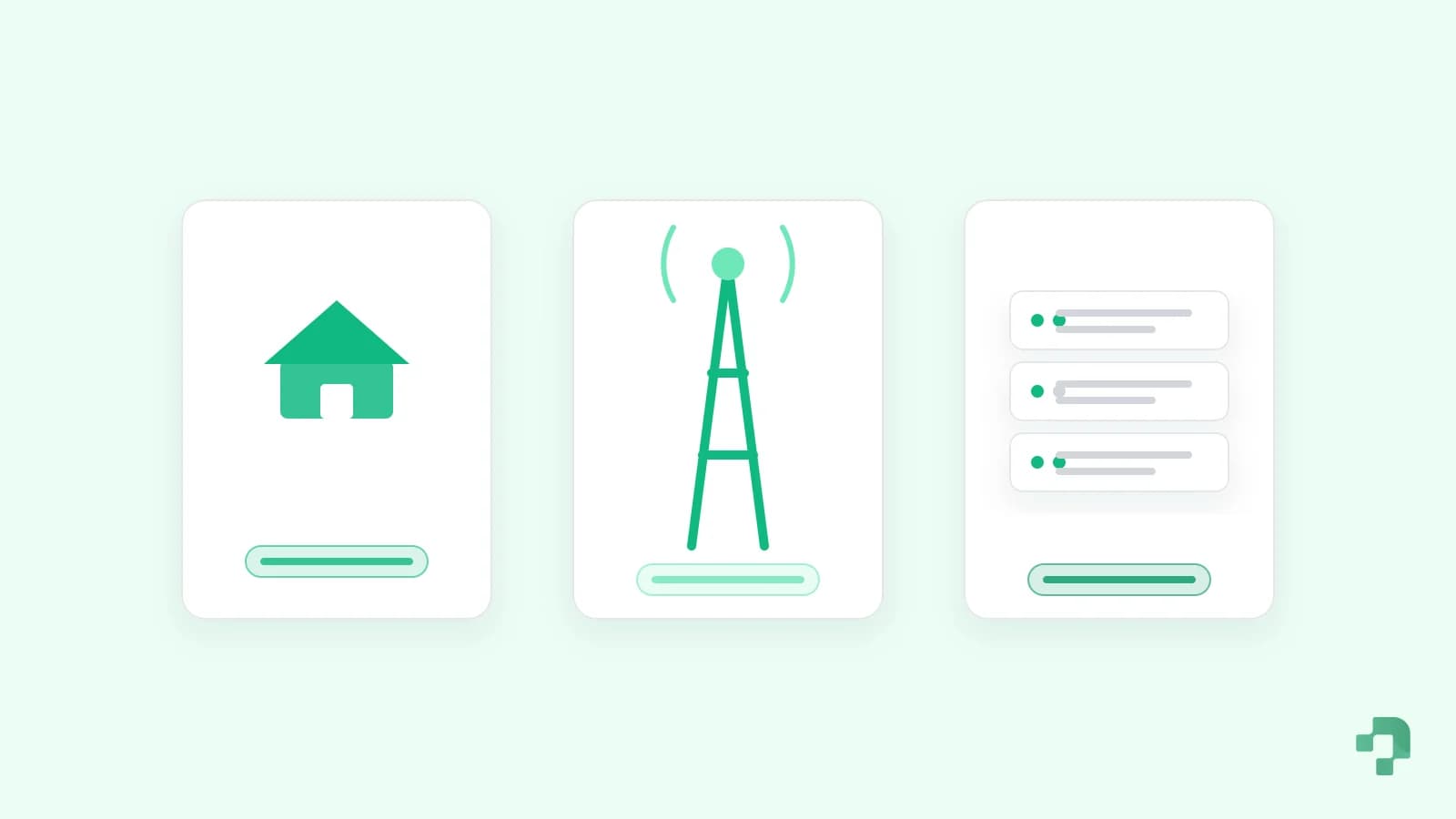
The short answer: datacenter proxies are the fastest and cheapest but easily detected; residential proxies are the hardest to detect but metered per GB; ISP proxies (also called static residential) sit in between: residential trust on datacenter hardware. The rest of this guide explains when each one wins, and where flat-rate unlimited bandwidth changes the math.
1. Datacenter Proxies
Datacenter proxies are IPs created in cloud servers and specialized data centers. They are not associated with a consumer Internet Service Provider (ISP).
- Speed: ⚡⚡⚡ (extremely fast, with gigabit uplinks and sub-second latency)
- Detectability: 🛡️ (easily detected, since cloud ASNs are public knowledge)
- Cost: 💲 (cheapest)
Best used for:
- High-speed crawling of unprotected sites
- SEO tools, uptime monitors, and internal QA against your own infrastructure
- Market research on sites with low security
The downside: they share subnets. If one IP gets banned, the whole subnet might get blocked, and strict targets (Google, sneaker sites, streaming platforms) detect them instantly.
The Proxio difference: most providers meter datacenter traffic per GB. Proxio's datacenter proxies are flat-rate with unlimited bandwidth: crawl at full line speed all month for one fixed price.
2. Residential Proxies
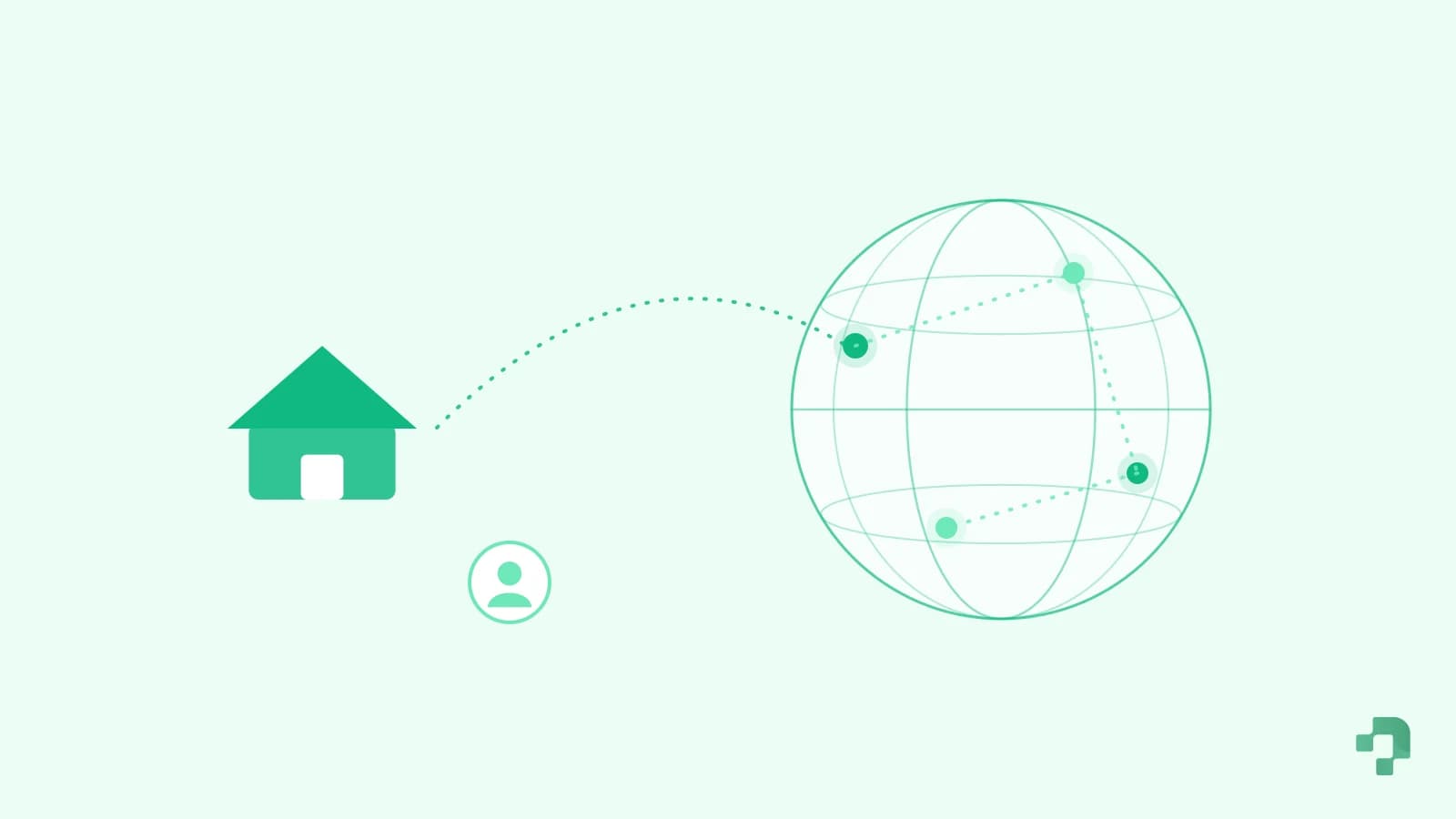
Residential proxies are IP addresses assigned by real ISPs (Verizon, AT&T, Vodafone) to real homeowners. When you use them, you look exactly like a regular person browsing from their living room.
- Speed: ⚡⚡ (moderate, depends on the host device)
- Detectability: 🛡️🛡️🛡️ (hardest to detect)
- Cost: 💲💲💲 (premium, billed per GB)
Best used for:
- Scraping strict websites (Amazon, Google, social platforms). See what residential proxies are for the full picture
- Rank tracking and SERP monitoring with city-level geo-targeting
- Ad verification and anti-cloaking checks
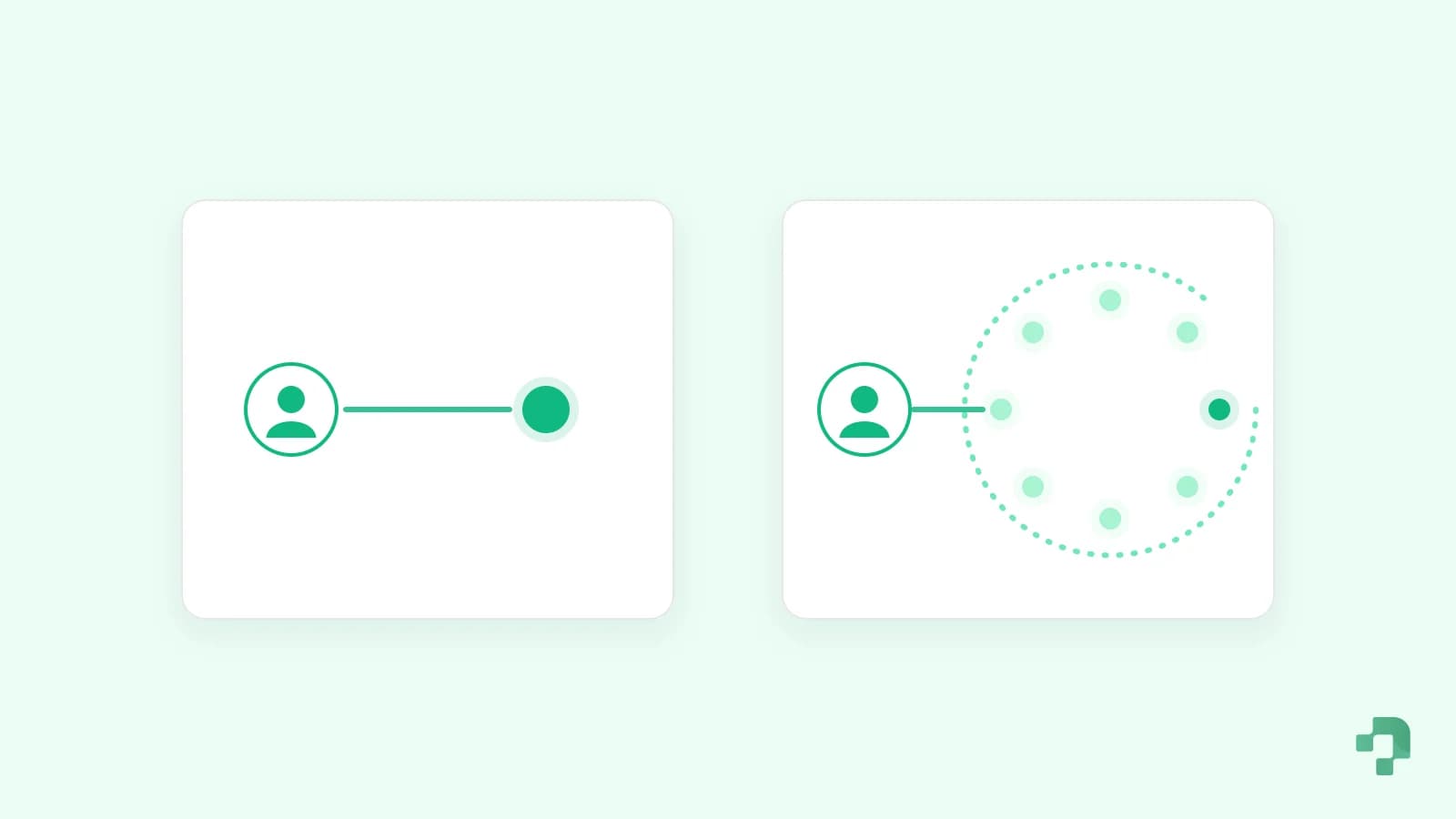
Why Proxio residential? An ethically sourced pool with automatic rotation, country, state and city targeting, and sticky sessions, billed per GB with volume discounts.
3. ISP Proxies (Static Residential)
ISP proxies are the hybrid solution. They are hosted in data centers (for speed and 24/7 uptime) but registered under legitimate consumer ISPs (for trust). They offer the speed of a server with the reputation of a human, and unlike rotating residential IPs, the IP is yours and never changes.
- Speed: ⚡⚡⚡ (fast and stable)
- Detectability: 🛡️🛡️ (hard to detect)
- Cost: 💲💲 (moderate, per IP)
Best used for:
- Managing social media accounts (each account keeps one consistent, trusted IP)
- E-commerce seller accounts (eBay, Amazon) and marketplace tooling
- Streaming, ticketing, and anything that punishes IP changes mid-session
The Proxio difference: Proxio ISP proxies are flat-rate with unlimited bandwidth: no per-GB metering on a static IP you keep for months.
ISP vs. Datacenter Proxies: The Key Differences
These two get confused constantly because both live on datacenter hardware. The difference is entirely in whose name is on the IP:
| Datacenter proxy | ISP proxy | |
|---|---|---|
| Hosted on | Datacenter servers | Datacenter servers |
| ASN registration | Cloud/hosting provider | Consumer ISP (e.g., Comcast, AT&T) |
| What targets see | "This is a server" | "This is a home user" |
| Survives strict anti-bot? | Rarely | Usually |
| Price per IP | Lowest | 2-5× datacenter |
Rule of thumb: start with datacenter; the moment a target starts blocking you and you need a static IP, step up to ISP. If you need rotation on a strict target, that's residential's job.
Summary Comparison Table
| Feature | Datacenter | Residential | ISP |
|---|---|---|---|
| Source | Cloud servers | Home Wi-Fi / mobile devices | Datacenter + ISP ASN |
| Detectability | Easy to detect | Very hard to detect | Hard to detect |
| Speed | Fastest | Variable | Fast & stable |
| IP persistence | Static | Rotating (sticky optional) | Static, yours |
| Pricing model | Per IP (Proxio: unlimited bandwidth) | Per GB | Per IP (Proxio: unlimited bandwidth) |
| Ideal for | Bulk data, speed | Scraping strict sites, geo-targeting | Account management, sessions |
The Bandwidth Question Nobody Prices In
Most comparisons stop at detectability and skip the line item that dominates real budgets: bandwidth. Per-GB billing means costs scale with every page you load. Scraping 100,000 JavaScript-heavy pages can consume 50-200 GB; at typical residential rates that's a meaningful bill, month after month.
This is why matching the proxy type to the target matters financially, not just technically:
- Route easy targets through flat-rate datacenter IPs. Unlimited bandwidth means marginal cost per page is zero.
- Reserve metered residential bandwidth for the targets that genuinely require it.
- Use ISP proxies for persistent identities. With unlimited bandwidth, a streaming or monitoring session that runs 24/7 costs the same as one that runs an hour.
Which One Should You Choose?
- Choose datacenter if you need raw speed on targets with little anti-bot protection, and prefer flat-rate unlimited bandwidth for high volumes.
- Choose residential if you are scraping sophisticated sites (Amazon, Google, social media) and need rotation plus city-level targeting to avoid bans.
- Choose ISP if you need to keep the same trusted IP for a long time (account management, seller tooling, always-on monitoring) without watching a bandwidth meter.
🚀 Ready to choose the right proxy type? Get started with Proxio today: all three types, transparent pricing, instant activation, plus unlimited-bandwidth plans on datacenter and ISP. New customers get 10% off their first order, applied automatically at checkout. View Pricing & Get Started
FAQ
Frequently Asked Questions
Short answers to the questions readers ask most.
What is the difference between ISP and datacenter proxies?
Both are hosted on fast datacenter hardware, but ISP proxies are registered under a real Internet Service Provider's ASN, so target websites see them as home-user connections. Datacenter proxies announce cloud-provider ASNs, which anti-bot systems flag on sight. ISP proxies cost more but survive on protected sites where datacenter IPs are blocked instantly.
Are ISP proxies the same as static residential proxies?
Yes. 'ISP proxy' and 'static residential proxy' are two names for the same product: a datacenter-hosted IP registered under a consumer ISP. You get one dedicated IP that stays yours, combining residential-level trust with datacenter speed and uptime.
Which proxy type is cheapest?
Datacenter proxies are the cheapest per IP and per gigabyte. ISP proxies sit in the middle, and rotating residential proxies are the most expensive because bandwidth is metered per GB. With flat-rate unlimited-bandwidth datacenter and ISP plans, heavy users pay a fixed monthly price regardless of traffic.
Do unlimited bandwidth proxies exist?
Yes. Most providers meter every gigabyte, but flat-rate plans, like Proxio's unlimited datacenter and unlimited ISP proxies, charge per IP per month with no bandwidth cap. For high-volume workloads such as scraping, streaming, or SERP monitoring, flat-rate pricing is usually several times cheaper than per-GB billing.
Which proxy type should I use for web scraping?
It depends on the target. Unprotected sites: datacenter proxies for maximum speed per dollar. Protected sites (Amazon, Google, social platforms): rotating residential proxies. Long-lived sessions or account management: ISP proxies. Many production pipelines combine two types: cheap datacenter IPs for easy targets, residential for the hard ones.