Why Residential Proxies Are Essential for Ad Verification
How residential proxies help catch ad fraud, verify ad placement and protect brand safety from real locations.
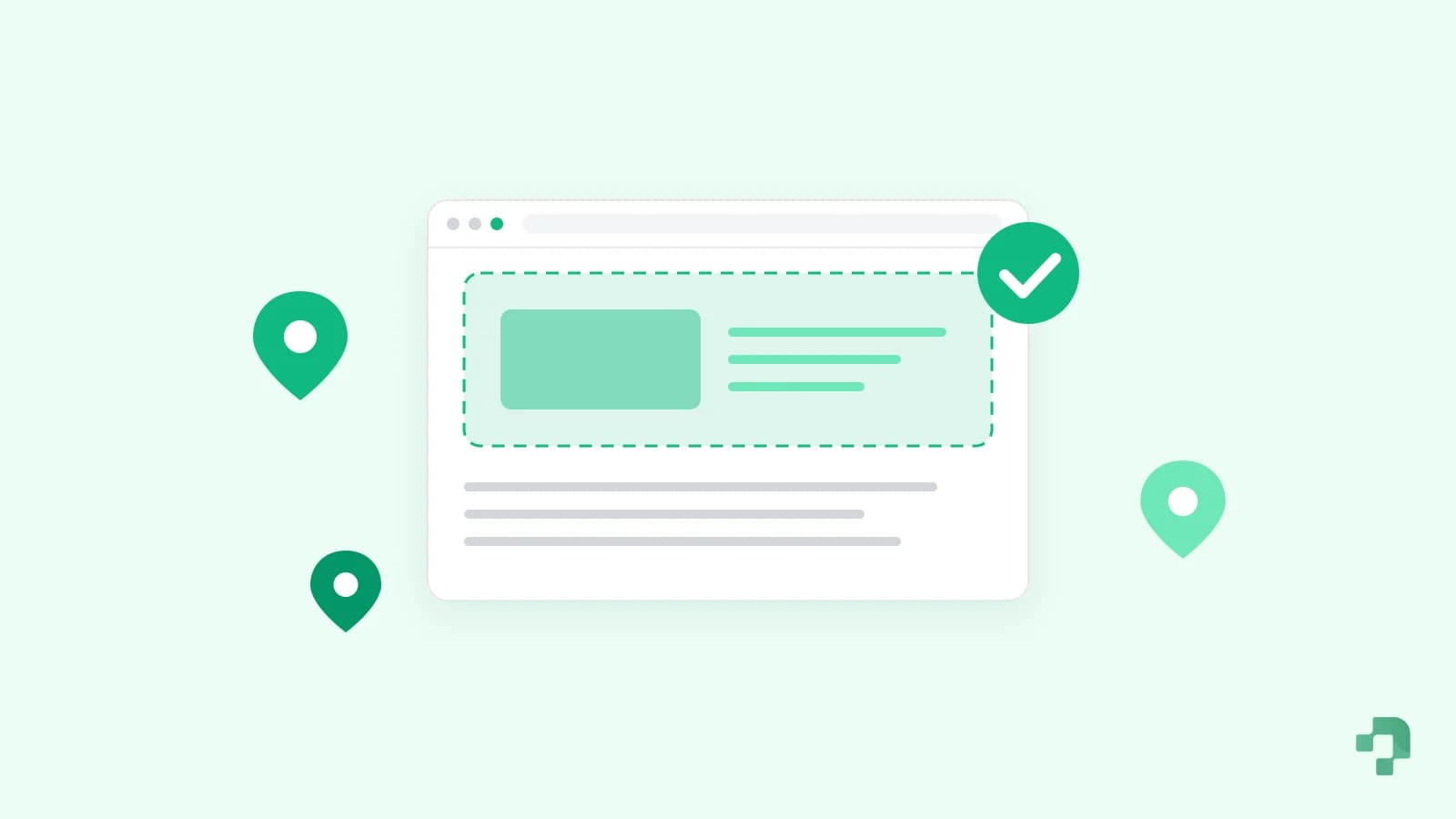
In the multi-billion dollar world of digital advertising, ad fraud is a persistent threat that drains budgets and skews analytics. For advertisers and networks, ensuring that ads are displayed correctly, to the right audience, and in safe environments is paramount. This is where residential proxies become an indispensable tool for ad verification.
The Challenge of Ad Fraud
Ad fraud takes many forms, from simple bot traffic to sophisticated schemes like:
- Geo-targeting Mismatches: Ads intended for a UK audience being displayed in low-cost regions.
- Contextual Fraud: Ads appearing on inappropriate or harmful websites, damaging brand reputation.
- Invisible Ads: Ads loaded in 1x1 pixel frames or stacked on top of each other, rendering them invisible to human users.
- Device Spoofing: Bots mimicking mobile devices to capture higher CPM rates.
Fraudsters are increasingly adept at detecting and blocking verification scanners. If they identify a scanner's IP address as coming from a data center, they can serve a "clean" version of the page while serving fraudulent ads to real users. This cloaking technique renders traditional verification methods ineffective.
Why Data Center Proxies Fail
Data center proxies are fast and affordable, but they have a fatal flaw in ad verification: detectability.
- Known IP Ranges: Data center IPs are often grouped in subnets that are easily identified and flagged by anti-fraud systems.
- Static Footprint: Using the same IP for repeated checks creates a pattern that fraudsters can easily block.
- Lack of Realism: Traffic from a data center doesn't look like a real user browsing from a home connection or mobile device.
The Residential Proxy Advantage
Residential proxies route traffic through real devices (desktop or mobile) with genuine ISP-assigned IP addresses. This architecture offers several key advantages for ad verification:
1. True Anonymity and Legitimacy
Because residential IPs belong to real users, verification requests appear indistinguishable from organic traffic. This makes it nearly impossible for fraudsters to detect the scanner and serve cloaked content. You see exactly what the real user sees.
2. Precise Geo-Targeting
Ad campaigns are often highly localized. Residential proxies allow you to choose IPs from specific countries, cities, or even mobile carriers. This enables you to verify:
- Are my ads appearing in the correct region?
- Is the localized creative (language, currency, offer) displaying correctly?
- Are competitors bidding on my keywords in specific markets?
3. Bypassing IP Blocks
Fraudsters aggressively block known scanner IPs. With a vast pool of rotating residential IPs, you can switch addresses with every request, ensuring high success rates and continuous monitoring without getting blocked.
4. Device-Accurate Verification
With the majority of ad spend moving to mobile, verifying mobile campaigns is critical. Combining residential IPs with mobile User-Agent profiles lets you emulate mobile users accurately, checking for redirect loops, app-install fraud, and mobile-specific display issues.
Best Practices for Ad Verification with Proxies
To maximize the effectiveness of your ad verification strategy:
- Use Rotating Sessions: Configure your proxy settings to rotate IPs automatically. This prevents any single IP from being flagged due to excessive requests.
- Mix User Agents: Rotate User-Agent strings to match the device profile of the IP you are using (e.g., use a Chrome/Windows UA with a desktop IP, and Safari/iOS with a mobile IP).
- Target Specific ISPs: For highly targeted campaigns, use ISP-specific targeting to verify performance across different network providers.
Conclusion
In the cat-and-mouse game of ad fraud, residential proxies provide the stealth and authenticity needed to stay one step ahead. By mimicking real user behavior, they allow advertisers to verify campaigns with confidence, protect their budget, and maintain brand integrity.
Ready to secure your ad spend? Get started with Proxio's residential network. New to residential proxies? Start with our beginner's guide.
FAQ
Frequently Asked Questions
Short answers to the questions readers ask most.
What is ad verification?
Ad verification is the process of programmatically checking that digital ads display correctly: in the right region, on brand-safe pages, in visible placements, with the correct localized creative. Verification scanners load pages the way real users would and audit what actually renders.
Why do ad verification tools need residential proxies?
Fraudsters cloak: when they detect a scanner coming from a datacenter IP, they serve a clean page while real users see the fraudulent version. Residential proxies make verification requests indistinguishable from organic traffic, so the scanner sees exactly what a genuine user in that location sees.
Can I verify geo-targeted ad campaigns with proxies?
Yes. That's one of the main use cases. Geo-targeted residential proxies let you load your campaign from IPs in specific countries or cities to confirm the right creative, language, currency, and offer are shown in each market.