Proxy for Scraping Amazon: Build a Scalable Product Scraper in 2026
Which proxy works for scraping Amazon without 503 errors, and how to build a reliable Amazon product scraper in Python.
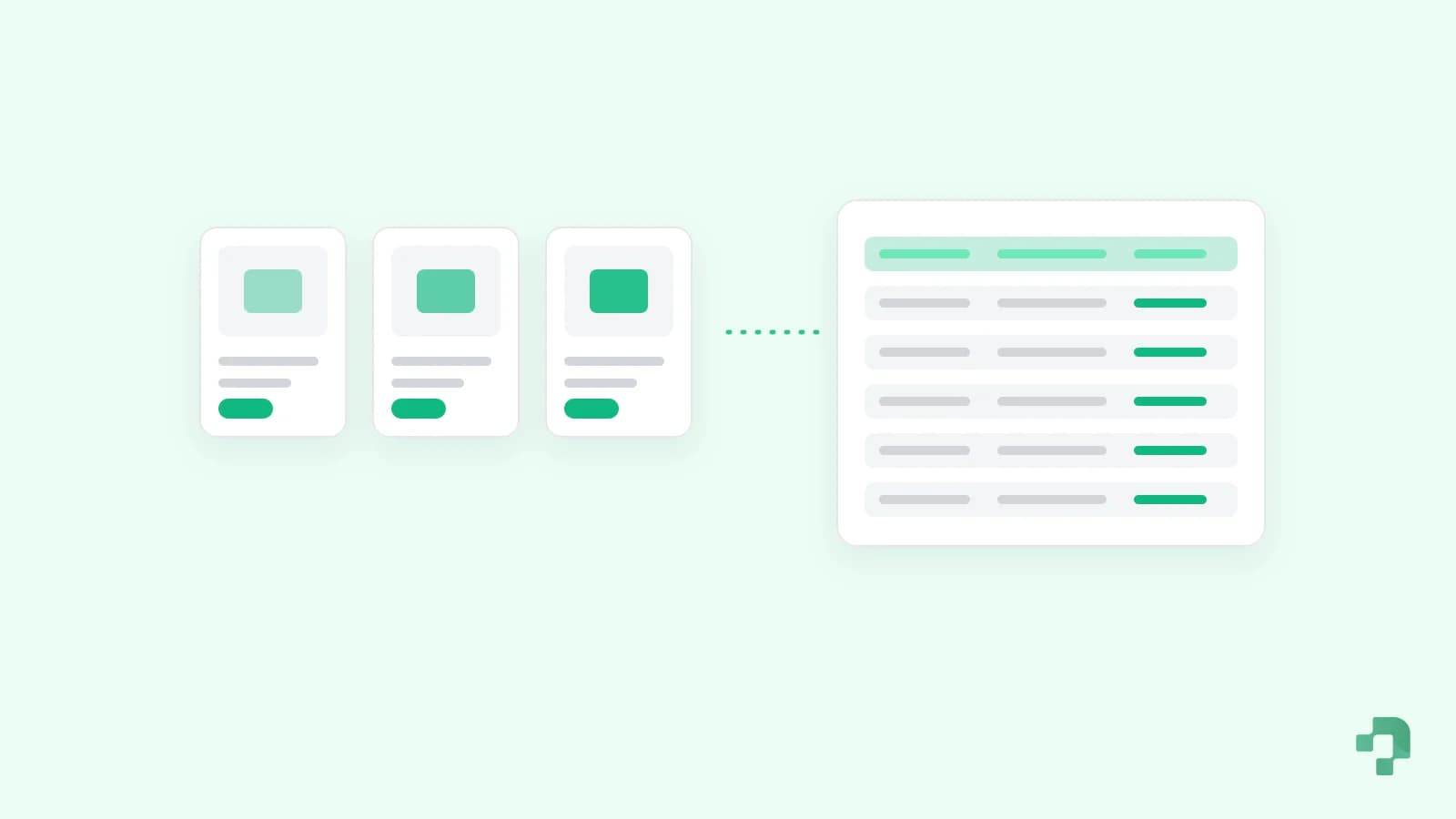
Extracting data from Amazon is a cornerstone of e-commerce strategy: price monitoring, competitor analysis, MAP compliance, review mining. It is also one of the hardest scraping targets on the web, and the single biggest factor in success or failure is which proxy you route your requests through.
This guide covers both halves of the problem: choosing the right proxy for scraping Amazon, and engineering a scraper that doesn't waste it. We also maintain an open-source Amazon Product Scraper that implements everything described here.
Which Proxy Type Works on Amazon?
Amazon assigns a trust score to every incoming IP address and adjusts its response accordingly: normal page, throttled page, CAPTCHA, or the infamous 503 Service Unavailable.
| Proxy type | Amazon trust score | Result | Verdict |
|---|---|---|---|
| Datacenter | < 10 | 503s and CAPTCHAs within a few requests | Only for light, low-value pages |
| Static ISP | 60-80 | Works for logged-in seller tooling, limited volume | Good for account-based workflows |
| Rotating residential | > 90 | Served like a real shopper, city-targetable | Best for product/price scraping |
Rotating residential proxies are the default answer. Every request exits from a genuine home connection, inheriting the trust of real user devices. For seller-account automation where the IP must stay constant, static ISP proxies are the right tool instead; see our proxy type comparison for the full breakdown.
One cost note before the code: Amazon pages are heavy (1-3 MB each), so bandwidth adds up fast. Budget roughly 100-300 GB per 100,000 product pages when planning a per-GB residential plan.
The Engineering Challenges
Even with perfect IPs, a naive scraper fails. Scraping Amazon systematically requires solving three specific problems:
- Domain variance: scraping
amazon.comis different fromamazon.co.ukoramazon.de. Hardcoding URLs breaks your pipeline. - Request fingerprinting: repeated requests without cookies or proper headers are instantly flagged.
- IP reputation: covered above, and no header trick rescues a burned datacenter subnet.
The Solution: Architecture Overview
Our scraper solves these issues with a clean, session-based approach using Python's requests library and BeautifulSoup4.
1. Dynamic Domain Handling
Instead of hardcoding domains, the AmazonScraper class initializes the context once. This ensures that the Host and Referer headers, which are critical for bypassing WAFs, always match the target regional domain.
class AmazonScraper:
    def __init__(self, proxy: str = None, domain: str = "com"):
        self.base_url = f"https://www.amazon.{domain}"
        self.headers = {
            "User-Agent": "Mozilla/5.0 (Windows NT 10.0; Win64; x64) AppleWebKit/537.36 ...",
            "Accept-Language": "en-US,en;q=0.9",
            # Headers dynamic to the domain
            "Referer": f"{self.base_url}/",
            "Host": f"www.amazon.{domain}",
        }
2. Session Persistence
We use a requests.Session() object. This is crucial because it persists cookies between requests (e.g., between a search page and a product page), mimicking the behavior of a real browser navigating the site.
3. Smart Delays
Machines are fast; humans are not. To avoid rate limiting, the scraper implements randomized delays between requests:
# Random delay to mimic human behavior
time.sleep(random.uniform(2, 4))
Wiring In the Proxy
The code above ensures your request structure is correct, but it cannot hide your origin. This is where Proxio enters the stack. Routing traffic through the residential gateway takes one connection string:
# Rotating residential: every request exits from a fresh home IP
proxy_url = "http://your_username:[email protected]:16666"

# Geo-targeted variant: scrape amazon.de as a user in Berlin
proxy_url = "http://your_username-region-de-city-berlin:[email protected]:16666"
Geo-targeting matters more on Amazon than most targets: prices, availability, and even search rankings differ by marketplace and by the shopper's location within it. Scraping amazon.de from a German residential IP returns what a German customer actually sees, including Prime eligibility and regional offers. This is the same technique used for e-commerce price intelligence generally.
Implementation Guide
Installation
Clone the repository and install the lightweight dependencies:
git clone https://github.com/proxio-net/amazon-product-scraper.git
cd amazon-product-scraper
pip install -r requirements.txt
Usage Examples
1. Basic keyword search (UK market):
python scraper.py --keyword "monitor" --domain "co.uk" --pages 2
2. Production mode (with proxies):
To run this at scale without blocking, pass your Proxio credentials. Each request will be routed through a fresh residential IP.
python scraper.py \
  --keyword "gaming mouse" \
  --proxy "http://username:[email protected]:16666" \
  --output json
Anti-Bot Checklist for 2026
If you are building your own custom extraction pipeline, ensure you follow these rules:
- Rotate User-Agents per session: our scraper ships a current Chrome User-Agent, so keep it updated as browser versions release.
- Match headers: never send a Linux User-Agent with macOS client hints; header inconsistency is an instant flag.
- Mind TLS fingerprints: for the strictest endpoints, standard
requestshas a recognizable TLS signature, so usecurl_cffito impersonate a real browser handshake (full guide: advanced anti-bot evasion). - Use residential IPs: still the single most effective way to eliminate CAPTCHAs.
- Respect the target: randomized delays, off-peak scheduling, and no logged-in scraping keep your pipeline both reliable and defensible.
Conclusion
Scraping Amazon in 2026 is about blending in: correct request structure, consistent fingerprints, and above all a proxy whose IPs Amazon already trusts. Combine the open-source scraper with a rotating residential network and you have a pipeline that scales from a hundred ASINs to millions.
Check out the full source code on GitHub.
Ready to scale your scraping? New customers get 10% off their first order of Proxio Residential Proxies, applied automatically. Start here.
FAQ
Frequently Asked Questions
Short answers to the questions readers ask most.
What is the best proxy for scraping Amazon?
Rotating residential proxies are the best proxy type for scraping Amazon. Amazon assigns a trust score to every incoming IP, and residential IPs from real home connections score high enough to avoid the 503 blocks and CAPTCHAs that datacenter IPs trigger almost immediately.
Why does Amazon return 503 Service Unavailable when scraping?
A 503 from Amazon is almost never a real outage; it's the anti-bot system rejecting your request. The most common causes are a datacenter IP with low trust score, missing or inconsistent headers, and sending requests without cookies or session persistence.
How many requests can I send to Amazon per proxy?
With a rotating residential pool the question disappears: each request exits from a fresh IP, so per-IP limits never accumulate. Keep a human-like pace per session (2-4 second randomized delays) and rotate sessions regularly, and you can scale to millions of product pages.
Is scraping Amazon legal?
Scraping publicly available product data (prices, titles, reviews) is generally lawful in most jurisdictions, and courts have repeatedly declined to treat public-data scraping as unauthorized access. You should still respect Amazon's terms, avoid logged-in scraping, rate-limit responsibly, and consult a lawyer for your specific use case.
How much bandwidth does scraping Amazon use?
An Amazon product page is 1-3 MB of HTML. Scraping 100,000 product pages typically consumes 100-300 GB per month, which is why per-GB residential pricing gets expensive at scale, and why pairing residential IPs for the hard pages with flat-rate unlimited-bandwidth proxies for the easy ones keeps costs predictable.